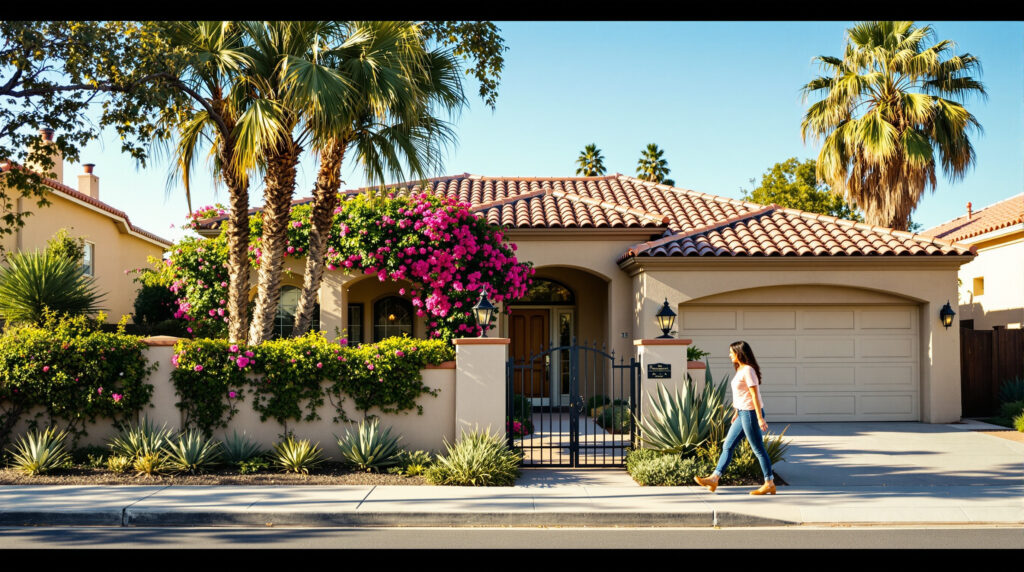
Buying a home in San Diego requires understanding how the local market actually works, not relying on generic real estate advice that misses the region’s unique dynamics. San Diego’s home prices and days-on-market vary by neighborhood and property condition. This guide covers what you need to know before you start looking, from neighborhood selection to pricing strategy to hidden opportunities like ADUs that add both value and rental income potential.
- ADU potential: Can add value and rental income
- Neighborhoods for value: Mid-City, City Heights, Tierrasanta, East County
- Renovation ROI: Kitchen/bath remodels can recoup part of the investment at resale
Understanding San Diego’s Real Estate Market Right Now
San Diego’s housing market has moved fast, and inventory has stayed relatively tight. This means competition remains real, especially for lower-priced homes and in popular zip codes like 92104 (North Park), 92109 (Pacific Beach), and 92103 (Hillcrest).
Median sale prices by neighborhood tell the real story. Pacific Beach homes sell for far more than homes in Tierrasanta or City Heights, and the price-per-square-foot metric varies wildly between central neighborhoods and outer communities like Ramona or Fallbrook. Understanding which zip codes match your budget is step one.
Interest rates affect affordability more than most buyers realize. Even a small rate increase reduces your purchasing power and raises your monthly principal and interest. Pre-approval from a lender familiar with San Diego’s appraisal market is non-negotiable.
Get Expert Market Guidance
Our team knows San Diego neighborhoods and current market conditions
Choose Your Neighborhood Strategically
Neighborhood selection is the largest driver of both price and resale potential. San Diego spans from coastal (92109, 92107) to downtown (92101, 92102) to inland suburbs (92126, 92129) to East County (92127, 92128). Each zone has distinct characteristics, price ranges, and rental income potential if you later add an ADU or lease the property.
Coastal and Central Neighborhoods (Premium Tier)
Pacific Beach, Ocean Beach, Mission Beach, North Park, Hillcrest, and Uptown command premium pricing. These areas have strong walkability, bikeable streets, and restaurants/retail within blocks. Schools are typically highly rated. Rental income from ADUs or short-term vacation rentals is highest here. However, Measure UB (imposed in 2026) restricts short-term rentals to primary residence properties, which impacts investment strategy.
Mid-City and Inner Urban (Moderate Tier)
City Heights, Mid-City, Kensington, and Normal Heights offer more moderately priced homes. These neighborhoods have been revitalized over the past decade, with new restaurants, breweries, and younger demographics moving in. Schools are a mixed picture—worth checking specific elementary/middle school ratings on sites like GreatSchools.org. ADU potential is excellent: a backyard ADU can generate rental income that offsets part of your mortgage.
Outer Neighborhoods and East County (Value Tier)
Tierrasanta, Rancho Penasquitos, Scripps Ranch, and East County communities (La Mesa, El Cajon, Ramona) are generally more affordable than coastal areas. These are family-oriented, quieter, with newer suburban infrastructure and larger lots. Schools are often well regarded. The tradeoff: longer commutes (20–45 minutes to downtown). ADUs are easier to build here due to larger land parcels, making owner-occupancy plus rental income very feasible.
Price Strategy and Making an Offer
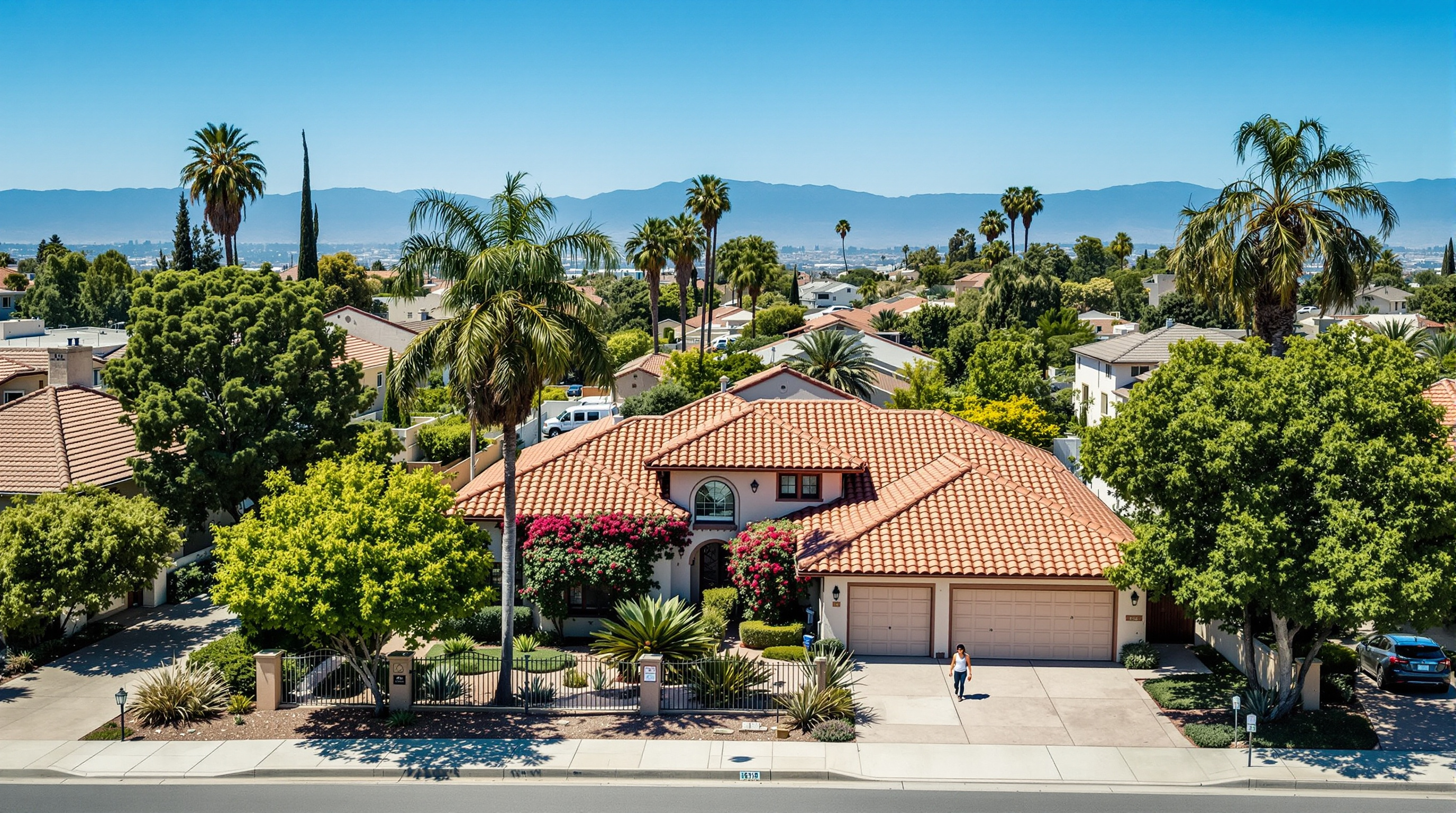
San Diego’s market can move fast. Properties in desirable zips may receive multiple offers shortly after listing. Understanding how to price your offer requires knowing three data points: recent comparable sales, days-on-market for similar homes, and whether you’re in a multiple-offer situation.
A comparable sale (“comp”) is a home that sold recently in the same neighborhood with similar square footage, condition, and lot size. Your real estate agent should provide 3–5 comps within the past 60 days. If a home is priced below comp average and has been listed only a few days, you’re likely facing competition, and an offer above list price may be needed. Conversely, if a home has been on market for weeks, you have negotiating room to offer list price or slightly below.
Cash offers close faster and waive inspection contingencies—but San Diego homes are often older and have plumbing, foundation, or electrical surprises. Unless you have extensive home inspection experience, a financed offer with an inspection contingency is smarter even if it doesn’t win the bidding war initially. A rejected financed offer is better than a higher cash offer on a home with costly hidden foundation work.
Contingencies That Matter in San Diego
Three contingencies are standard in California and critical in San Diego:
- Financing contingency: Protects you if the lender won’t approve the loan or the appraisal comes in low (common in San Diego’s hot neighborhoods where perceived value sometimes exceeds appraised value). Usually 21 days.
- Inspection contingency: Allows you to cancel or renegotiate if the home inspector finds major issues (foundation cracks, roof failure, plumbing in walls). Typically 10–17 days. San Diego homes built before 1980 often have plumbing risks; homes on hillsides may have soil stability concerns.
- Title contingency: Ensures the seller actually owns the property and no liens or disputes exist. Rare but essential—always included.
Waiving any of these puts you at serious financial and legal risk. If a seller demands contingency waivers, that’s a red flag worth discussing with your agent.
San Diego Housing Market Trends: What’s Changing
Interest rate shifts are the biggest market driver right now. When rates drop, buyer demand tends to tick up quickly, and tight inventory keeps prices sticky.
New zoning laws are reshaping neighborhoods. California’s SB 9 and local ADU ordinances now allow homeowners to split single-family lots into two units or add backyard/upper-floor units with minimal oversight. This increases both property values and rental income potential, and a home with ADU potential may appraise higher to investors or owner-occupants adding income units.
Remote work has shifted demand patterns. During 2020–2022, inner San Diego neighborhoods filled with remote workers willing to pay premium prices for walkable areas. Now, as companies mandate more in-office days, outer communities and East County are attracting buyers again—slightly softening prices there while central neighborhoods remain strong.
ADU San Diego: Building Wealth Through Rental Income
An ADU (accessory dwelling unit) in San Diego is now a realistic wealth-building tool, not just a rental unit. San Diego allows three types: detached backyard ADU (most common), junior ADU (interior, carved from existing home), and upper-floor ADU (if the house has room).
Financial Impact of Adding an ADU
An owner-occupied home with an ADU generating rental income effectively reduces your net monthly carrying cost, which can be a significant leverage advantage over time. Property appraisals may reflect this income stream when it is real and verifiable.
ADU Approval and Timeline
San Diego’s ADU approval process takes 60–120 days if you use a permit expeditor or contractor familiar with the city’s process. Key steps:
- Survey and site plan
- Architectural drawings (if not pre-fabricated ADU)
- Permit application to City of San Diego Development Services (60–90 days processing)
- Inspection and approval
- Construction (3–5 months for backyard ADU)
When buying a home with ADU potential, factor in these costs. A lower-priced home in Tierrasanta or City Heights with a larger lot may be the better buy than a pricier home on a tiny corner lot—because the former has ADU upside, the latter doesn’t.
Home Renovation San Diego: Add Value, Not Just Expense
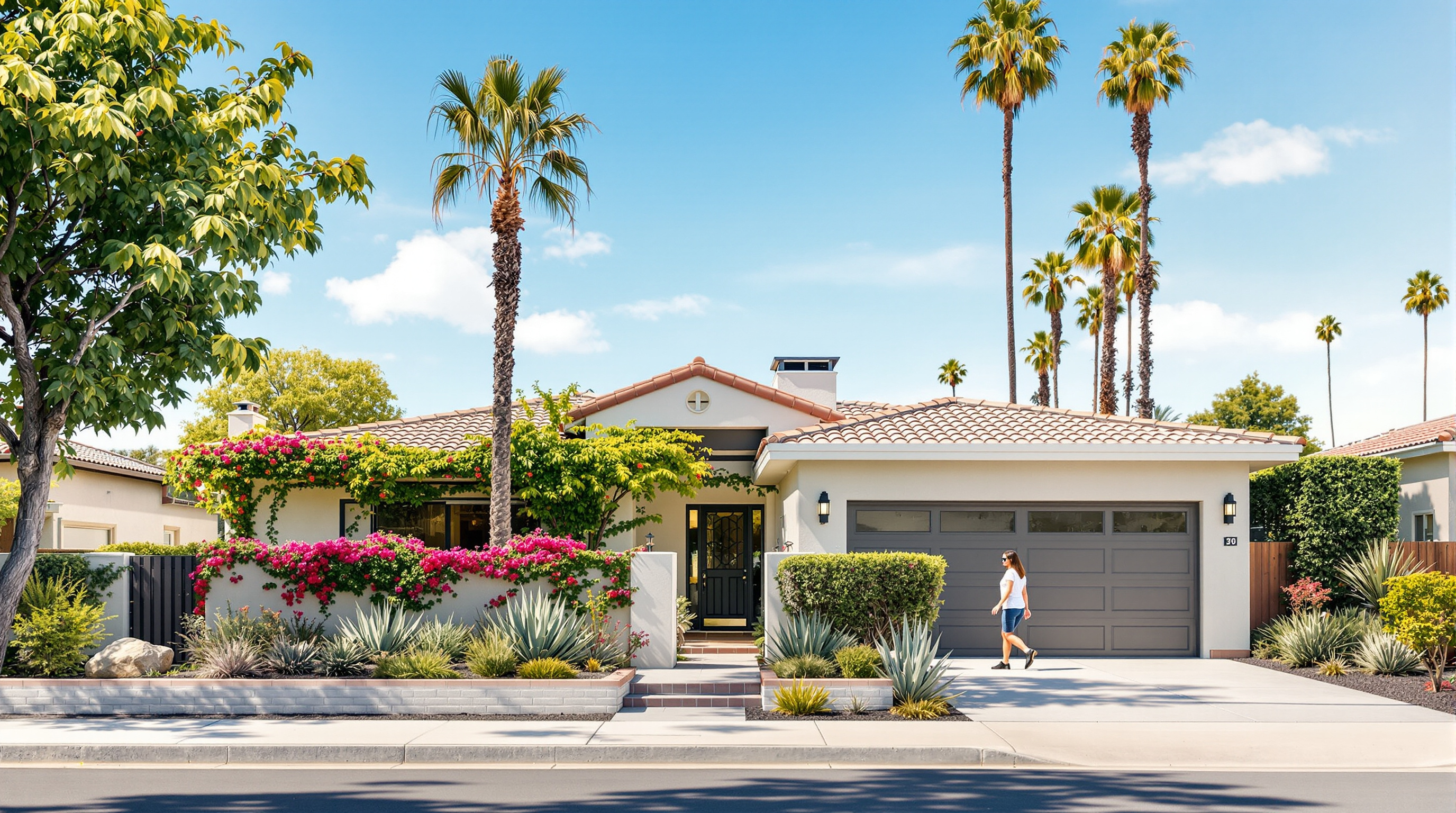
Buying a home that needs work can be a good deal—if you choose the right renovations. Home improvement projects in San Diego vary wildly in ROI. A kitchen remodel (new cabinets, counters, appliances, flooring) can recoup a meaningful share of its cost at resale. A bathroom remodel (new vanity, tile, fixtures) can also recoup part of its cost. A roof replacement often pays off because it’s a safety/durability issue buyers prioritize.
Conversely, high-end luxury renovations (marble counters, smart home integration, custom millwork) often return less because they’re personal preference, not market-driving upgrades. San Diego buyers, especially first-timers and investors, prioritize function and modern finishes over luxury brand names.
When evaluating a fixer-upper, get a professional inspection first and budget conservatively. Older San Diego homes (especially pre-1970s) often have surprises: plumbing behind walls, outdated electrical panels, foundation settling, or past water intrusion. These are invisible until you open walls. Add a contingency to any contractor estimate.
Timeline: 4–6 weeks
Timeline: 2–3 weeks
Timeline: 3–5 days
Timeline: 5–8 months
For professional guidance on renovation ROI specific to your neighborhood and property, see our guide on home improvement projects that boost property value in San Diego.
Closing Costs, Taxes, and Hidden Expenses
Closing costs add to the purchase price. Buyers typically cover: loan origination fee, title insurance, appraisal, home inspection, homeowners insurance (first year), property tax prorations, and HOA transfer fees if applicable.
San Diego property taxes are calculated on your home’s assessed value, which resets when the property transfers. First-time buyers often underestimate this recurring cost; factor it into your monthly budget carefully.
HOA fees (if applicable) vary by community amenities. Condos typically run higher because they cover all structural maintenance; single-family communities vary widely. Always review the HOA CC&Rs (Covenants, Conditions & Restrictions) during escrow—some prohibit ADUs, solar panels, or short-term rentals, which affects future value and flexibility.
For a detailed breakdown of tax implications, review our San Diego property tax guide for new homeowners.
Working with an Agent: What to Look For
A great San Diego real estate agent saves you money through better pricing strategy, faster negotiations, and knowledge of neighborhood-specific surprises. Look for agents with:
- A California DRE license (verify on search.dre.ca.gov) and 3+ years local experience.
- Specialty in your target neighborhoods—if you want to buy in North Park or City Heights, work with someone who has closed 10+ recent sales there, not a generalist with 1–2.
- Access to the San Diego MLS (the multiple listing service) and tools like CoreLogic or Redfin to pull comps and market data in real-time.
- Transparency on commission: Always clarify compensation upfront.
An agent’s job is to represent your interests, not push you to overpay. If an agent pressures you to waive contingencies, ignores your budget, or dismisses your concerns about neighborhood character, that’s a mismatch. You can always change agents.

Common Mistakes Buyers Make in San Diego
Mistake 1: Overlooking the appraisal gap. If the lender’s appraisal comes in below your offer price, you’re required to put down the difference in cash to close, or renegotiate. This happens frequently in hot San Diego neighborhoods where emotion drives prices above what the data supports. Request an appraisal contingency in your offer; it protects you from this gap.
Mistake 2: Not budgeting for inspections and surprises. A fixer needs an inspection, a plumbing scope if there are old pipes, and often a termite/pest inspection. Budget these separately, and if major issues appear, renegotiate before closing—don’t ignore them.
Mistake 3: Assuming all neighborhoods will appreciate equally. San Diego’s market is highly fragmented. A home in North Park or Pacific Beach may appreciate faster than a home in an area with poor schools or a longer freeway commute. Buy in neighborhoods with strong fundamentals: good schools, walkability, job centers nearby, lower crime rates, recent capital investment (new retail, restaurants, parks).
Mistake 4: Ignoring HOA restrictions on ADUs, solar, and rentals. Before you buy, check the HOA CC&Rs. Some San Diego HOAs specifically prohibit ADUs or short-term rentals. If your future wealth plan includes rental income or adding an ADU, this restriction eliminates that strategy and kills resale value to similar-minded investors.
Mistake 5: Not locking in rate early. Interest rates can move in a week. Once you’re in escrow (offer accepted), lock in your rate immediately with the lender. Don’t wait until 3 days before closing—rates may have shifted against you, and it’s often too late to switch lenders.
Timeline: From Offer to Keys in Hand
A typical San Diego purchase takes 30–45 days from accepted offer to closing. Here’s the standard calendar:
- Day 0: Offer accepted; earnest money due within 24 hours into escrow company.
- Day 3: Inspections ordered; lender application submitted and pre-approval issued.
- Day 10–17: Inspection period closes; renegotiation window if needed. Final walk-through scheduled.
- Day 17–21: Loan appraisal completed by lender’s appraiser; results usually available by day 21.
- Day 21–28: Loan underwriting—lender reviews all documents (pay stubs, tax returns, bank statements). Title search completed.
- Day 28–35: Loan approval (“clear to close”) issued. Final walkthrough (24 hours before closing).
- Day 35–40: Closing scheduled. Final walkthrough confirms no new damage, all agreed repairs done. Close of escrow: sign documents at title company, lender wires funds, keys transfer to you.
This timeline assumes no major issues. If the appraisal is low, inspection reveals problems, or the lender needs additional documentation, add 5–10 days. San Diego’s escrow companies are efficient; major delays usually stem from financing or inspection renegotiation, not escrow process.
Ready to Start Your San Diego Home Search?
Let our team guide you through the local market with data-driven strategies and neighborhood expertise
Key Takeaways for Buying a Home in San Diego
Buying a home in San Diego is competitive, but data and strategy beat emotion every time. Know your budget, get pre-approved, choose the right neighborhood based on long-term value (not just current appeal), and include contingencies that protect you. If you’re considering renovation or ADU potential, factor those into your offer price—sometimes a lower-priced fixer with ADU upside is a better buy than a pricier turnkey home without future income potential.
San Diego’s market rewards informed buyers who understand neighborhood dynamics, price cycles, and local lending practices. Work with a local agent who knows your target area, get multiple comps before making an offer, and never waive inspections on older homes. These fundamentals can save you money and regret.
FAQ: Buying a Home in San Diego
What’s the typical down payment required to buy a home in San Diego?
How long does the home buying process take in San Diego?
What neighborhoods in San Diego offer strong value for first-time buyers?
Can I add an ADU to my San Diego home, and will it increase my property value?
What should I look for when choosing a neighborhood to buy in San Diego?
Related Resources
For more guidance on San Diego real estate, explore our guides on the best time to buy a house in San Diego and how to find a reliable contractor in San Diego for renovations or ADU construction.
Start Your San Diego Home Search Today
Our team helps buyers navigate the San Diego market. Get a free consultation on your target neighborhoods, current pricing, and strategy.
619-777-5660 Related: Home Renovation San Diego: Maximize ROI on Your Investment