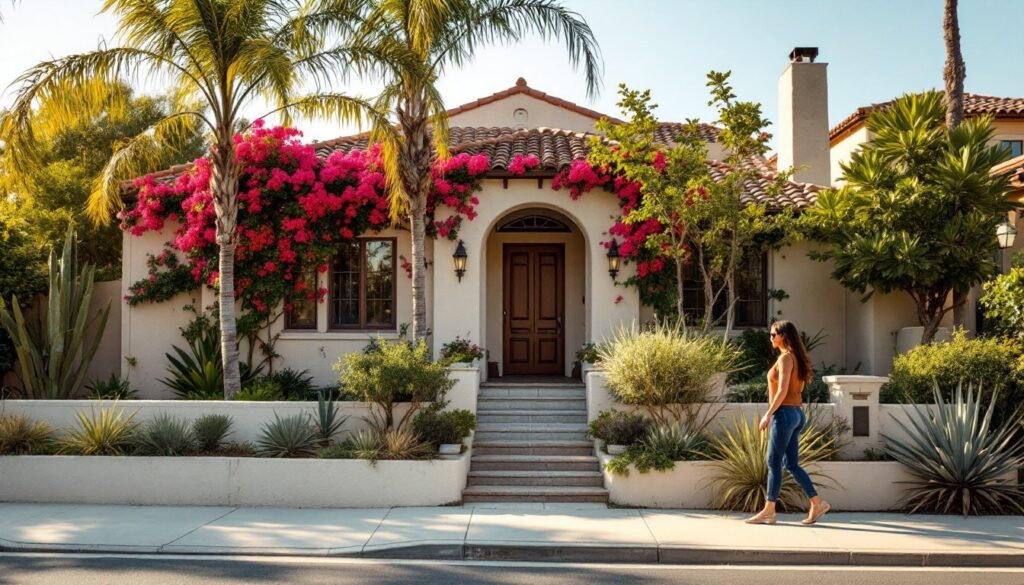
How much to buy a house in San Diego varies widely depending on neighborhood, property type, and condition. This guide shows you what drives costs up or down, and helps you understand what your budget actually gets you in different neighborhoods.
Current San Diego Home Prices by Market Segment
San Diego’s housing market operates in distinct price tiers. Entry-level homes are limited but exist in neighborhoods like Oceanside, Escondido, and parts of Clairemont. Mid-range homes dominate the market and represent the largest inventory pool.
Higher-end properties concentrate in coastal communities, La Jolla, Coronado, and established neighborhoods like University Heights and Mission Hills. Luxury homes are found almost exclusively in coastal zip codes and gated communities.
Prices shift monthly based on inventory levels, interest rates, and seasonal demand. Winter months (November–February) often bring fewer buyers and slightly lower prices. Spring and early summer see increased competition and faster sales.
What Affects Home Pricing in San Diego
Several factors push San Diego home costs higher or lower than the county median. Understanding these variables helps you assess whether a specific listing is fairly priced.
Location and Neighborhood Desirability
Proximity to the coast adds a substantial premium compared to inland properties of identical size and age.
School district ratings matter significantly. Homes in highly regarded school zones tend to command premiums.
Walkability and commercial proximity also price homes up. Neighborhoods with nearby restaurants, retail, and transit (like Hillcrest, Little Italy, and Bankers Hill) see stronger price appreciation than car-dependent suburbs.
Property Age and Condition
Newly built homes typically command premiums over comparable resale homes. New construction in Torrey Pines or the Sabre Springs area attracts buyers seeking energy efficiency, modern layouts, and no immediate repairs.
Homes built before 1980 may require foundation inspections, electrical panel upgrades, or asbestos abatement, which reduces buyer appeal and negotiating power. A 1970s property with original plumbing and wiring typically prices lower than a recently remodeled equivalent.
Square Footage and Lot Size
San Diego’s high land costs push per-square-foot pricing upward. Smaller homes (under 1,200 sq ft) often cost more per sq ft because lot prices remain constant.
Lot size drives value in residential neighborhoods. A corner lot or property with ADU (accessory dwelling unit) potential commands a premium. San Diego’s moderate climate makes outdoor space valuable year-round.
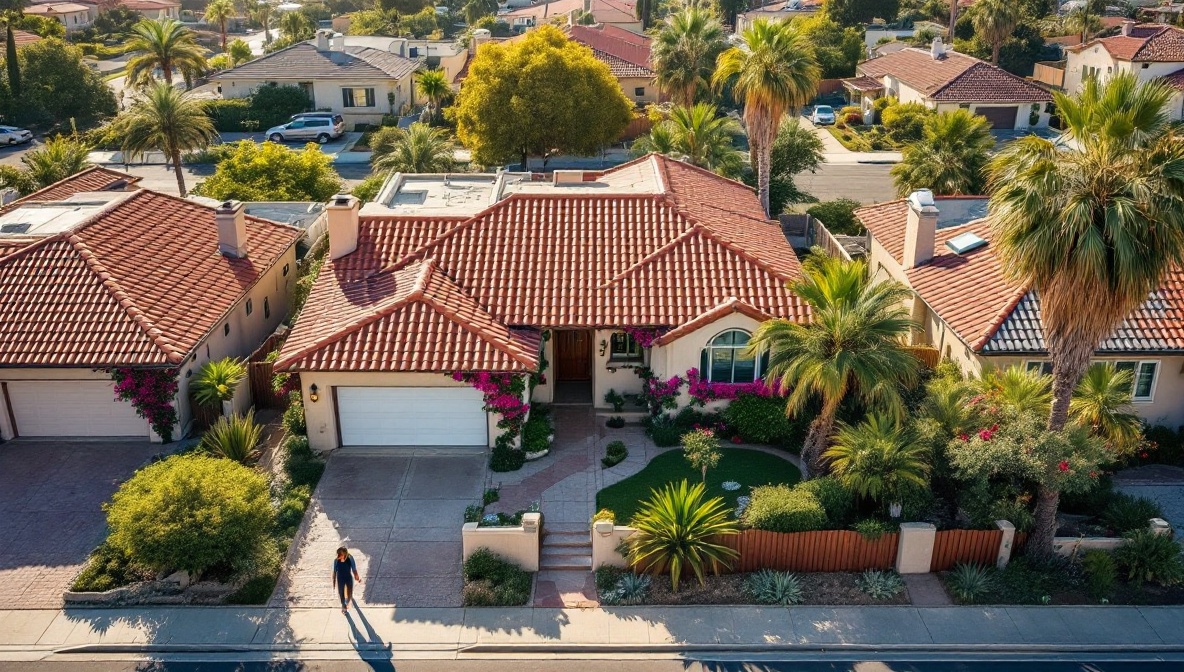
Breaking Down the Total Cost to Buy
The purchase price is only part of your total cost to buy a house in San Diego. Closing costs, inspections, appraisals, and title insurance add further costs on top.
Typical Closing Costs Breakdown
- Lender fees: Origination, processing, and underwriting
- Appraisal: Lender requirement
- Title insurance: One-time premium that protects your ownership
- Property inspection: General structural and systems
- Pest/termite inspection: California standard
- Homeowners insurance quote: First year often due at closing
- Property taxes (prorated): Variable by zip code, plus local voter-approved assessments
- HOA transfer fee (if applicable): Varies by community
Negotiating these items with the seller is standard practice in San Diego’s current market.
Down Payment Requirements
Conventional, FHA, and VA loans have different down payment requirements. FHA loans add mortgage insurance premiums (MIP). VA loans are available to eligible service members.
Putting less than 20% down means paying private mortgage insurance (PMI), which adds to your monthly payment.
Questions About Buying in San Diego?
Get expert guidance on neighborhood pricing and market conditions
Financing Options in Today’s San Diego Market
Mortgage rates heavily influence affordability. Even a small rate change can add or remove a meaningful amount from your monthly payment, and rates depend on credit score and loan type.
Loan Program Comparison
- Conventional loans: Competitive rates, PMI required below 20% down
- FHA loans: Accepts lower credit scores, includes mortgage insurance for life of loan
- VA loans: No PMI, available to military/veterans only
- USDA loans: Limited to rural San Diego County areas (parts of East County, North County)
- Jumbo loans: For purchases above the conforming loan limit, stricter requirements, slightly higher rates
San Diego’s best time to buy often depends on interest rate environment and seasonal inventory. Spring offers more homes but higher competition. Winter shows less inventory but potentially motivated sellers.
Hidden Costs Beyond Purchase Price
Many first-time buyers overlook expenses that pop up after closing. These ongoing costs can add hundreds to thousands monthly.
Property Taxes and Special Assessments
California’s Prop 13 limits annual tax increases to 2% after purchase, making long-term ownership affordable. However, newer homeowners pay current market value as the assessment base. Special districts add vector fees in some areas: Some neighborhoods carry Mello-Roos assessments; others add none.
Maintenance and Repairs
Plan to budget annually for maintenance, including roof, HVAC, plumbing, and landscape upkeep. San Diego’s salt air and intense sun accelerate exterior wear.
HOA Fees (If Applicable)
Attached homes, condos, and some planned communities require HOA fees. These cover common area maintenance, insurance, and reserves.
Tips for Budgeting Your San Diego Home Purchase
Start by understanding your total borrowing power. Lenders typically evaluate your debt-to-income ratio.
Next, get pre-approved by a lender before shopping. Pre-approval shows sellers you’re a serious buyer.
Build a detailed budget including down payment savings, closing costs, and your first month’s insurance and property taxes. Many buyers get surprised by the total amount needed upfront.
Consider neighborhoods carefully. San Diego home prices by neighborhood vary dramatically. A change in budget opens entirely different areas, from entry-level Clairemont and mid-market Hillcrest to established neighborhoods like Mission Hills.
Factor in that home improvement projects increase property value in San Diego. Needed repairs might actually represent a good investment if the base price reflects it.
Current Market Conditions Affecting Pricing
Inventory levels remain constrained compared to national averages. Homes in desirable neighborhoods still move quickly, but less-desired areas show longer listing times.
Mortgage rates remain the primary driver of affordability. A jump in rates reduces purchasing power, meaning you’d need to look at lower-priced homes to maintain the same monthly payment.
Getting Help with Your San Diego Home Purchase
Working with a local real estate agent familiar with San Diego neighborhoods accelerates your buying process. An agent with knowledge of specific zip codes, recent sales comps, and school district boundaries helps you avoid overpaying.
San Diego Home Hub connects buyers with licensed agents (DRE licensed) who specialize in your target neighborhoods and price range. Our agents provide monthly market reports, recent comparable sales data, and transparent pricing guidance.
A good agent also connects you with trusted inspectors, appraisers, and lenders, streamlining your transaction timeline from offer to close.
Ready to Start Your San Diego Home Search?
Get current market data and expert advice from local specialists
FAQ
Can I buy an affordable house in San Diego?
Yes, but inventory is limited. Neighborhoods like Oceanside, Escondido, parts of Clairemont, and City Heights offer more affordable homes. Expect older construction, smaller lots, or properties needing updates. These areas are farther from the coast and may have longer commutes to downtown or beach communities.
How much should I budget for closing costs in San Diego?
Closing costs typically include lender fees, appraisal, title insurance, inspections, and property taxes. You can often negotiate with the seller to cover some costs or request seller concessions.
How much of a down payment do I need to buy in San Diego?
Down payment requirements vary by loan type, from VA loans to conventional loans. Conventional loans with a smaller down payment include PMI until you reach 20% equity.
What are some affordable neighborhoods to buy in San Diego?
City Heights, Clairemont, parts of Ocean Beach, and East County neighborhoods like La Mesa and El Cajon offer more affordable entry points. North County coastal areas like Oceanside and Carlsbad are slightly cheaper than San Diego city proper. Each has different commute times and amenities, so factor that into your decision. Related: Best Home Remodeling Contractors in San Diego: Complete Review Guide Related: Is It a Good Time to Buy a House in San Diego in 2026? Market Trends & Forecasts Related: Cost of Apartments in San Diego: 2026 Pricing Guide & Neighborhood Breakdown Related: Will Housing Prices Drop in San Diego? Expert Analysis & Market Predictions Related: How to Sell Your House Fast in San Diego: Proven Strategies