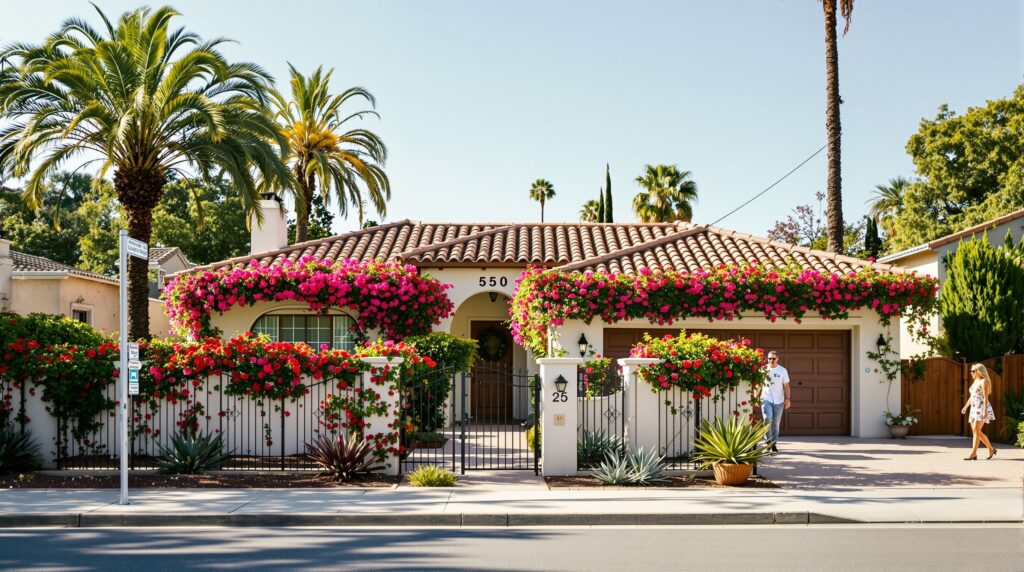
home renovation san diego — Home renovation in San Diego costs vary with scope, and timelines run from 3-12 months depending on permit complexity. This guide walks you through contractor selection, permit navigation, cost breakdown by project type, neighborhood considerations, and seasonal timing specific to San Diego’s building climate.
Understanding Home Renovation Costs in San Diego
San Diego’s renovation market reflects higher labor rates than national averages.
A kitchen renovation in San Diego typically includes cabinetry, countertops, appliances, labor, and permitting/structural work. Bathroom remodels range from basic tile-and-fixture upgrades to luxury baths.
Master bedroom additions or second-story work are major projects. Foundation, framing, electrical, plumbing, and HVAC extension all factor into this.
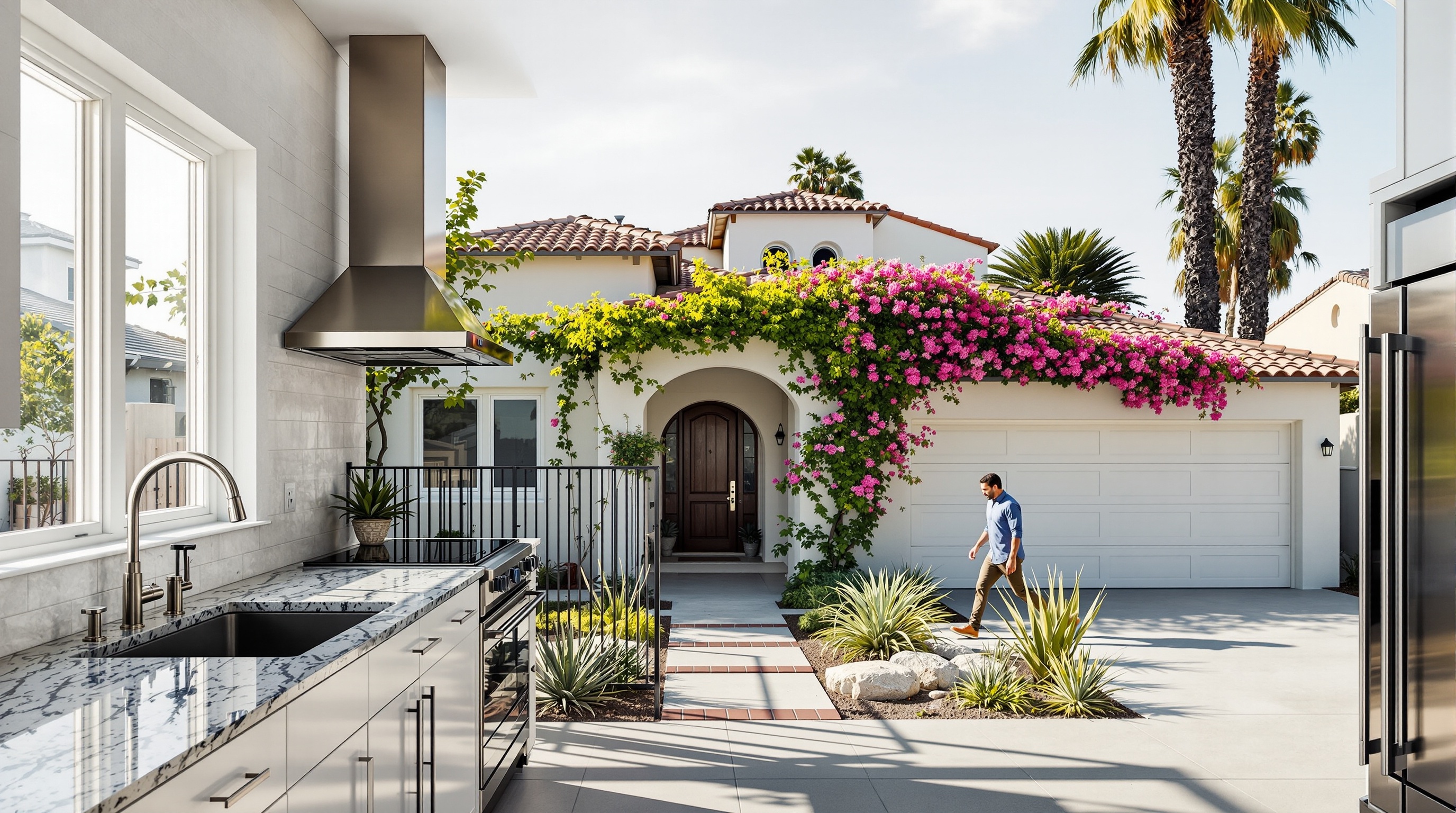
San Diego Permitting and Timeline
Permitting is the largest time variable in San Diego home renovations. The city of San Diego and county jurisdictions (unincorporated areas) have different approval speeds and requirements.
Permit Types and Approval Timelines
Standard Building Permits (structural work, additions, major systems): 4-8 weeks for approval in city limits; 6-10 weeks in county unincorporated areas. This includes initial plan review, corrections, and final sign-off. Oceanside, Carlsbad, Encinitas, and other coastal communities add coastal commission review (additional 2-4 weeks).
Electrical/Plumbing/HVAC Permits (single-trade work): 2-4 weeks approval, same-day issuance in many cases. These move faster because they don’t require structural review.
Planning Review (zoning changes, lot coverage increases): 8-12 weeks if required. Not all renovations need this—interior-only work and roof replacements typically don’t.
Coastal Development Permit (properties within 1,000 feet of ocean or bay): adds 4-6 weeks and requires California Coastal Commission review for some work types. This applies to neighborhoods in Pacific Beach, Mission Beach, Ocean Beach, La Jolla, and waterfront areas of downtown.
Total Renovation Timeline
A typical kitchen renovation timeline:
- Week 1-2: Design finalization and contractor bidding
- Week 3-6: Permit application and approval (city/county)
- Week 7: Demolition and framing (structural corrections if needed)
- Week 8-10: Rough electrical, plumbing, HVAC installation and inspection
- Week 11-14: Drywall, finish carpentry, and tile work
- Week 15-18: Cabinet installation, appliance hookup, paint, and fixtures
- Week 19: Final walk-through and city sign-off
Real-world timelines often extend 2-4 weeks due to permit delays, inspector scheduling, or material lead times. Weather (rare in San Diego) and discovered structural issues add time.
Need a Reliable Contractor for Your San Diego Renovation?
We connect homeowners with vetted, licensed contractors experienced in San Diego projects
Selecting and Vetting Contractors
Contractor quality directly impacts cost overruns, timeline delays, and final workmanship. San Diego’s competitive market has both excellent firms and problematic operations.
Licensing and Insurance Verification
California requires general contractors to hold a California Contractors License (B, A, or C-series). Verify this on the CSLB (Contractors State Licensing Board) website. Check for:
- Active license status
- License classification (B = building, A = specialty, C = specialty)
- Complaint history and disciplinary action
- Workers’ compensation insurance coverage
Do not hire contractors without verified workers’ comp. If an uninsured worker is injured on your property, you are liable for medical costs and lost wages.
Request proof of liability insurance and add your home as an “additional insured” on the policy. This protects you if the contractor damages your neighbor’s property.
References, Reviews, and Estimates
Ask for 3-5 recent references from similar-scope projects (kitchen if doing a kitchen, not a roof). Call them and ask specifically:
- Did the contractor finish on budget and on time?
- How did they handle changes and unexpected costs?
- Were inspections passed on first attempt?
- Would you hire them again?
Google, Yelp, and Nextdoor reviews for San Diego contractors are generally reliable, though 1-2 outlier complaints are normal. Look for patterns: multiple complaints about timeline or communication are red flags.
Collect 2-3 written estimates. Compare line-item detail, not just total. A single lump-sum number tells you nothing; one breaking down cabinetry, labor hours, materials, and contingency is credible. Lowest estimate is often a sign of inexperience or hidden costs.
Contract Essentials
Require a signed contract with:
- Scope of work (detailed list of what’s included and what’s not)
- Timeline with start and end dates
- Total contract price and payment schedule
- Warranty terms for labor and materials
- Change order process (how extra work is approved and billed)
- Cleanup and site management requirements
- Permit responsibility (who obtains, who pays)
- Contractor insurance details and license number
Never agree to a large down payment upfront or final payment before inspection sign-off. This protects you from abandonment or shoddy work.

Project-Specific Costs and Considerations
Kitchen Renovations
San Diego kitchens benefit from year-round natural light and indoor-outdoor living trends.
Common upgrades: quartz or granite countertops, semi-custom cabinetry, stainless appliances, waterproof flooring.
San Diego specific: Saltwater air corrodes standard metals. Use 316 stainless (marine-grade) for appliances and hardware in coastal areas (Pacific Beach, La Jolla, Coronado, Point Loma). This costs more but prevents rusting.
Timeline: 4-5 months from permit to completion (including permit wait time).
Bathroom Remodels
Common upgrades: porcelain tile floors and walls, vanity and sink, tub/shower, lighting and ventilation.
San Diego specific: Humidity from coastal areas (Oceanside, Encinitas, Carlsbad, Ocean Beach) requires high-quality ventilation. Install an ERV (energy recovery ventilator) or oversized exhaust fan to prevent mold on interior walls. This costs extra but saves on future mold remediation.
Timeline: 2-3 months including permits.
Additions (Room Additions, Second Stories)
Scope: Foundation work, framing, electrical, plumbing, HVAC extension, and finishing (drywall, paint, flooring).
San Diego specific: Lot coverage and setback rules vary by neighborhood and zoning. In North Park, Normal Heights, and Hillcrest, many lots are 50-100% built-out already—additions may require variance approval. Coastal and hillside areas have stricter fire/view requirements.
Timeline: 6-9 months including structural permits and inspections.
Roofing
San Diego roofing (composition shingles, tile, metal) costs vary by material. Tile and metal run higher but last longer than composition.
San Diego specific: Tile roofs (common in Spanish Colonial and Mediterranean-style homes in La Jolla, Coronado, Old Town) handle coastal salt air better than composition. No permits required for like-kind replacement; structural upgrade to accommodate tile weight requires engineering review.
Timeline: 2-4 weeks for replacement; no major permit delays unless structural work is needed.
Neighborhood-Specific Renovation Considerations
San Diego’s diverse neighborhoods have different architectural styles, codes, and utility constraints that affect renovation scope and cost.
Coastal Communities (Pacific Beach, Mission Beach, Ocean Beach, La Jolla)
Coastal development permits required for most exterior work. Saltwater air corrodes standard materials. Use marine-grade fixtures, 316 stainless steel, and UV-resistant coatings. Plan 4-6 weeks extra for coastal commission review.
Historic Districts (Old Town, Hillcrest, Normal Heights)
Historic Preservation Board review required for exterior changes and demolition. Interior work is usually unrestricted. Add 4-8 weeks for design review and approval. Costs do not significantly increase, but timeline does.
Inland/East County (Chula Vista, El Cajon, La Mesa)
Faster permit approval (3-5 weeks typical). Lower material costs due to less dense building. County jurisdiction areas (unincorporated areas near Ramona, Julian, Anza-Borrego) have more lenient codes but slower permitting (6-8 weeks).
Downtown/Urban Core (Little Italy, East Village, Gaslamp Quarter)
Older buildings often have plumbing/electrical outdated. Budget extra for code upgrades (ADA compliance, updated wiring). Parking constraints make material delivery difficult; some contractors charge premiums for crane or off-site staging.
Timing Your Renovation: Seasonal Factors
San Diego’s year-round mild weather means renovations can happen any time. However, seasonal considerations exist:
Summer (June-August): Peak contractor demand. Book 3-4 months in advance or expect longer timelines and higher quotes. Contractors juggle multiple projects, so communication can slow.
Fall/Winter (September-February): Lower demand. Contractors prioritize your project and offer faster timelines. Rain is rare but possible (especially November-February), which can delay exterior work by 1-2 days.
Spring (March-May): Moderate demand. Good middle ground for booking and pricing.
If you can, schedule major renovations October-April to avoid competition, save money, and get faster contractor attention.
Budgeting, Financing, and ROI
Understanding return-on-investment helps prioritize renovations. Kitchens, bathrooms, decks and patios, and roof replacement tend to recover more of their cost at resale than room additions, HVAC replacement, or luxury finishes.
If you plan to stay in your home 7+ years, ROI is less critical—renovate for your own comfort. If selling within 3-5 years, prioritize kitchens, baths, and curb appeal.
Financing Options
Home Equity Line of Credit (HELOC): Borrow against home equity. Flexible, interest-only payment options.
Home Equity Loan: Fixed-rate loan with set terms. Better for large projects. Monthly payment is fixed and predictable.
Cash-Out Refinance: Refinance mortgage and pull out equity. Best if rates are favorable; closing fees apply.
Personal Loan: Unsecured, smaller amounts, faster approval.
Contractor Financing: Some contractors offer promotional financing through third-party lenders. Read terms carefully—rates jump after promotional period.
San Diego Home Hub recommends comparing financing options before starting work. A small difference in rate saves thousands over the life of the loan.
Red Flags and How to Avoid Renovation Disasters
Contractor demands a large down payment before starting: Large upfront deposits signal cash flow problems or risk of abandonment.
No written contract or vague scope: Always require a detailed, signed contract. “Update kitchen” is not a scope; “remove existing cabinets, install semi-custom cabinetry with specified brands and models” is.
Contractor avoids discussing permits: Legitimate contractors embrace permits because inspections protect everyone. Contractors who suggest skipping permits are cutting corners.
Unrealistic timeline: A full kitchen renovation in 6 weeks is a red flag. 4-5 months is standard including permits. Pressure to rush leads to poor workmanship.
No insurance or outdated license: Always verify. An unlicensed operator working under someone else’s license is common fraud.
Material substitutions without approval: Contractor switches granite to laminate without asking? That’s a breach. Require written change orders for all swaps.
Maximizing Home Value Through Smart Renovations
Strategic renovations compound property value. A kitchen and bath combo increases appeal more than either alone. Adding a bedroom or office increases resale value and rental appeal.
In San Diego’s competitive market, homes with updated kitchens, bathrooms, and flooring tend to sell faster than homes needing work. Learn which home improvement projects increase property value in San Diego.
Curb appeal matters. New landscaping, fresh paint, and updated entry doors make homes show better in photos and open houses.
If planning to sell, focus on neutral finishes. Buyers in North Park or Hillcrest may reject over-trendy designs. Neutral cabinetry, countertops, and tile appeal to a wider audience.
Working with Architects and Designers
For major renovations (additions, structural changes, second stories), hire an architect or licensed designer. They can prevent expensive mistakes.
Architects provide detailed plans, permit drawings, and code compliance reviews. They communicate with inspectors and contractors, reducing delays.
Interior designers help with finishes, layouts, and aesthetic cohesion but typically do not prepare permit documents.
For smaller projects (kitchen, bathroom), many contractors have in-house design capabilities or relationships with local designers. This can save costs and streamline the process.
Managing the Renovation: Communication and Oversight
During construction, stay involved without micromanaging. Weekly check-ins with the general contractor are standard. Ask about:
- Schedule progress (are we on track?)
- Any issues discovered (foundation cracks, plumbing surprises)?
- Permit inspection status
- Material deliveries and any delays
- Budget status (any change orders anticipated?)
Document everything in writing—texts, emails, or signed notes. If a contractor verbally agrees to extra work, follow up with an email confirming the scope and cost. This prevents disputes later.
Require daily site cleanup. A professional contractor leaves work areas tidy each day. Debris piling up signals disorganization.
Attend all inspections (framing, electrical, plumbing, final). The inspector will notify the contractor of any issues. Be present to understand what passes and what needs correction.
After Renovation: Warranty, Maintenance, and Records
Keep all warranties, permits, inspection sign-offs, and contractor receipts in a folder. These are essential for:
- Future home sales (proof of permitted, inspected work increases buyer confidence)
- Warranty claims (manufacturer or contractor-issued warranties)
- Insurance claims (if damage occurs)
Contractor and manufacturer warranties vary by contractor and product, so read the terms and keep copies.
For newer work, schedule maintenance:
- Roof: annual inspection, debris removal
- HVAC: filter changes every 3 months, annual service
- Grout/caulk: reseal every 3-5 years (especially in coastal areas)
- Wood finishes: reseal annually if outdoors
Finding Reliable Contractors in San Diego
Recommendations from friends, family, and neighbors are a reliable source. Nextdoor, local Facebook groups, and community bulletin boards yield trusted referrals.
How to find a reliable contractor in San Diego involves checking references, verifying licenses, and comparing detailed estimates.
Professional associations like the Better Business Bureau (BBB), San Diego Home Builders Association, and National Association of Home Builders (NAHB) can provide vetted contractor lists.
FAQ
How long does a home renovation take in San Diego?
Kitchen renovations typically take 4-5 months including permit approval (4-8 weeks). Bathrooms take 2-3 months. Additions and second stories take 6-9 months. Weather delays are rare in San Diego; permit delays are the primary timeline factor.
Do I need a permit for my home renovation in San Diego?
Structural work, electrical, plumbing, HVAC changes, and additions require permits. Interior cosmetic work (painting, flooring, fixtures) typically does not. Roof replacements usually exempt if same material/style; structural reinforcement requires permitting. Coastal work within 1,000 feet of ocean requires coastal development permits.
How do I find a reputable contractor in San Diego?
Verify California contractor license on the CSLB website, request 3-5 references, check Google/Yelp reviews for patterns, and collect multiple written estimates with line-item detail. Always require proof of workers’ compensation and liability insurance before hiring.
When is a good time to renovate in San Diego?
Fall and winter (October-April) offer lower contractor demand, faster timelines, and potentially lower prices. Summer requires booking 3-4 months in advance due to high demand. Rain is rare but possible November-February, which can delay exterior work by 1-2 days.
Will my home renovation increase my property value?
Kitchen and bathroom renovations tend to recoup a meaningful share of their cost in resale value, and updated kitchens and bathrooms can attract more offers.
Ready to Start Your Home Renovation?
San Diego Home Hub connects you with licensed, vetted contractors experienced in your neighborhood. Get expert guidance on permits, timelines, and budgets.
619-777-5660 Related: San Diego Real Estate Tips: San Diego, CA Guide 2026 Related: Home Renovation San Diego: Maximize ROI on Your Investment