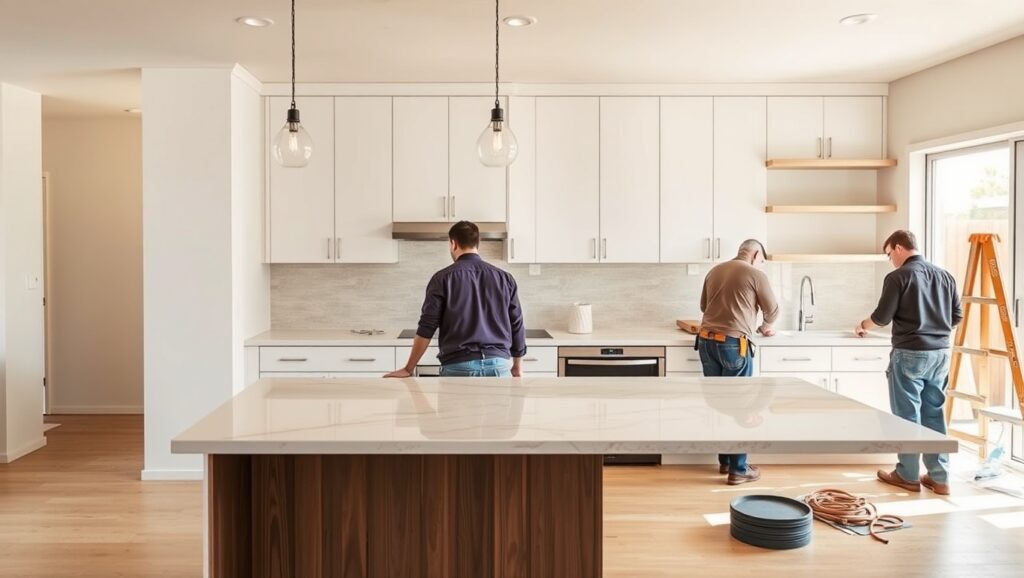
Home renovation in San Diego is one of the smartest investments a homeowner can make — but only if you go in prepared. With median home values hovering around $900,000 to $1.1 million across much of the county, even a well-planned kitchen or bathroom remodel can add serious equity to your property. But between navigating city permits, managing contractor bids, and dealing with San Diego‘s unique coastal building regulations, the process can feel overwhelming fast. This guide breaks it all down so you can move forward with confidence.
Why San Diego Is a Unique Market for Home Renovation
San Diego’s climate, geography, and housing stock create conditions you won’t find anywhere else in the country. Homes in neighborhoods like Ocean Beach, North Park, and Kensington often date back to the 1940s and 1950s. That means older plumbing, knob-and-tube wiring, and post-war construction techniques that require special handling during renovation.
The coastal environment adds another layer. Salt air accelerates corrosion on metal fixtures, roofing fasteners, and HVAC components. Homeowners in La Jolla, Del Mar, and Coronado deal with this constantly. Materials need to be rated for coastal exposure, or you’ll be replacing them in five years instead of twenty.
San Diego also sits in a high seismic zone. Any structural renovation — adding a room, opening a load-bearing wall, or building an ADU — must account for earthquake codes. These aren’t suggestions. They’re law, and they affect both your permit approval and your homeowner’s insurance.
The San Diego Micro-Climate Effect on Renovation Choices
Even within San Diego County, the climate shifts dramatically. El Cajon and Santee regularly hit 100°F in summer. La Mesa and Lemon Grove sit in a comfortable middle zone. Meanwhile, Pacific Beach and Mission Hills stay cool and marine-influenced year-round.
These differences matter when choosing insulation R-values, roofing materials, and HVAC systems. A contractor who only works the coast may underestimate the cooling needs of an inland East County home. Always hire someone familiar with your specific microclimate.
Understanding San Diego Renovation Permits: What You Need and Why
One of the biggest mistakes homeowners make is starting renovation work without the right permits. In San Diego, the Development Services Department (DSD) oversees residential permits. Skipping this step can cost you — literally — when you try to sell your home and title companies find unpermitted work.
Here’s a general breakdown of what typically requires a permit in San Diego:
- Structural changes (removing or adding walls, especially load-bearing ones)
- Electrical panel upgrades or new circuit installation
- Plumbing reroutes or new fixture installations
- HVAC system installation or ductwork changes
- Roof replacement (in most cases)
- Accessory Dwelling Units (ADUs) — always require permits
- Garage conversions
- Window replacements that change the rough opening size
Work that typically does NOT require a permit includes cosmetic updates like painting, flooring installation, cabinet replacement, and minor plumbing fixture swaps (like replacing a faucet).
How Long Does Permit Approval Take in San Diego?
San Diego’s DSD has improved its turnaround times, but delays still happen. For straightforward residential projects, over-the-counter permits can be issued the same day or within a few days. More complex projects — structural additions, ADUs, anything near a coastal zone — may take 4 to 12 weeks for approval.
The City of San Diego does offer an Electronic Plan Review (ePlan) option, which speeds things up by allowing digital submissions. If your project requires multiple trade permits (electrical, mechanical, and structural, for example), each gets reviewed on its own timeline.
Pro tip: Hire a contractor or permit expediter who knows the San Diego DSD process. A good local contractor has established relationships and knows how to submit clean drawings the first time, reducing back-and-forth revision cycles.
Coastal Development Permits: A Special Consideration
Homes within the Coastal Zone — generally within a mile of the coastline — require an additional Coastal Development Permit (CDP) from the California Coastal Commission or the City’s Coastal Development Permit process. This applies to areas like Ocean Beach, Mission Beach, La Jolla Shores, and parts of Pacific Beach.
CDPs add time and complexity. Plan for an additional 2 to 6 months for coastal permit approvals on larger projects. Factor this into your renovation timeline before signing any contractor agreements.
Real Renovation Costs in San Diego: What to Actually Budget
San Diego is one of the most expensive construction markets in the country. Labor costs run 20 to 30 percent higher than national averages, driven by the high cost of living, strong contractor demand, and California’s strict labor laws. Material costs have also spiked post-2020 and have not fully come down.
Here are realistic cost ranges for common renovation projects in San Diego as of 2026:
- Kitchen Remodel (Mid-Range): $45,000 – $85,000
- Kitchen Remodel (High-End/Custom): $100,000 – $200,000+
- Bathroom Remodel (Basic): $12,000 – $25,000
- Bathroom Remodel (Primary Suite): $30,000 – $75,000
- ADU Construction (New Build): $200,000 – $400,000+
- Garage Conversion to ADU: $80,000 – $150,000
- Room Addition (per sq ft): $350 – $600
- Full Home Renovation (2,000 sq ft): $200,000 – $500,000+
- Roof Replacement: $12,000 – $25,000
- Electrical Panel Upgrade: $3,500 – $8,000
These are ballpark figures. Your actual cost depends on material selections, site conditions, permit fees, and contractor pricing. Always get at least three detailed bids before committing.
Hidden Costs That Catch San Diego Homeowners Off Guard
Even experienced homeowners get surprised by costs that don’t show up in initial contractor bids. In San Diego’s older housing stock — especially in neighborhoods like South Park, University Heights, and Sherman Heights — you can expect to encounter:
- Asbestos abatement: Homes built before 1980 often have asbestos in floor tiles, popcorn ceilings, or pipe insulation. Professional abatement runs $1,500 – $10,000+.
- Lead paint remediation: Common in pre-1978 homes. Required disclosure and containment during renovation.
- Foundation issues: Post-tension slab and pier-and-beam foundations in older homes may need reinforcement. Costs range from $5,000 to $30,000+.
- Permit fees: San Diego’s DSD charges plan check fees, inspection fees, and development impact fees. Budget $1,500 – $8,000 in permit-related costs for a major project.
- Temporary housing: If your kitchen or main bathroom is out of commission, you may need short-term accommodations. In San Diego, that’s not cheap.
How to Find and Vet a Reliable San Diego Contractor
Contractor fraud is a real problem in California. The state’s Contractors State License Board (CSLB) receives tens of thousands of complaints annually. Protecting yourself starts with knowing what to look for — and what to avoid.
Every contractor working on your San Diego home must hold a valid California contractor’s license. You can verify this instantly at cslb.ca.gov. Don’t take anyone’s word for it — check the database yourself. Make sure the license classification matches the work being done (Class B for general contracting, Class C for specialty trades).
What to Look for When Reviewing Bids
A professional bid isn’t just a bottom-line number. It should include:
- A detailed scope of work with specific materials listed (brand, model, grade)
- A clear payment schedule tied to project milestones — NOT large upfront payments
- A realistic project timeline with start and estimated completion dates
- Permit responsibilities clearly stated (who pulls them and pays for them)
- Warranty information on both labor and materials
- Proof of general liability insurance and workers’ compensation coverage
Be wary of any contractor who asks for more than 10% down (California law caps this at $1,000 or 10%, whichever is less, for home improvement contracts). Also walk away from anyone who pressures you to decide immediately or offers to skip permits to save money.
Ask for references from projects completed in the last 12 months — and actually call them. Drive by completed projects. Check reviews on Google, Yelp, and the Better Business Bureau. A few minutes of research can save you tens of thousands of dollars and months of headaches.
For more guidance on San Diego home improvement projects that add real value, our resource library covers everything from ADU construction to bathroom upgrades.
ADU Renovations: San Diego’s Fastest-Growing Renovation Trend
Accessory Dwelling Units — better known as ADUs — have exploded in San Diego over the past five years. California’s pro-ADU legislation, combined with San Diego’s sky-high rents, makes adding a backyard cottage or garage conversion one of the highest-ROI renovations a homeowner can pursue.
Rental income from a 500-square-foot ADU in neighborhoods like Normal Heights, City Heights, or Golden Hill can range from $1,500 to $2,500 per month. That’s significant income that can offset your mortgage or fund future renovations.
San Diego has streamlined its ADU permitting process considerably. The city offers pre-approved ADU plans through its Standard Plan Program, which can dramatically reduce plan check time and costs. If you’re considering an ADU, this is worth exploring first.
You can explore more about ADU options in San Diego on our dedicated resource page, where we cover design options, financing, and the latest rule changes.
Best Times of Year to Start a Renovation in San Diego
San Diego’s mild weather means construction can happen year-round — a major advantage over most of the country. That said, timing still matters for budget and scheduling reasons.
Winter (December – February) is often the best time to start interior renovations. Contractor demand drops, which means better availability and sometimes better pricing. Permit offices are also less backlogged.
Spring (March – May) is peak season for both outdoor projects and contractor demand. Book your contractor early — popular local crews fill their schedules fast during this window.
Summer brings high demand and hot inland temperatures. If your project involves exterior work in East County, early morning start times and proper hydration protocols become more important.
Fall (September – November) is a sweet spot — demand starts to ease, but the weather stays cooperative. Great time to complete exterior painting, roofing, or landscaping projects before the year ends.
Maximizing Your Renovation ROI in San Diego’s Real Estate Market
Not all renovations are created equal when it comes to return on investment. In San Diego’s competitive real estate market, certain upgrades consistently outperform others when it’s time to sell.
According to Remodeling Magazine’s annual Cost vs. Value Report, these projects tend to deliver the strongest ROI nationally — and San Diego typically outperforms national averages due to high home values:
- Minor kitchen remodels: 70–80% ROI. Fresh cabinets, new hardware, updated appliances, and quartz counters without a full gut job.
- Bathroom updates: 60–70% ROI. New vanity, tile, and fixtures go a long way.
- ADU additions: Often 80–100%+ ROI in high-rent San Diego neighborhoods.
- Exterior improvements: Fresh paint, new garage door, and landscaping consistently deliver strong first-impression value.
- Energy efficiency upgrades: Solar panels, upgraded windows, and heat pump HVAC systems are increasingly valued by San Diego buyers — especially with California’s energy mandates.
Renovations that often underperform: highly personalized design choices, luxury additions in modest neighborhoods, and swimming pools (which add maintenance costs that many buyers factor against the asking price).
Frequently Asked Questions About Home Renovation in San Diego
Do I need a permit for a bathroom remodel in San Diego?
It depends on the scope. Cosmetic updates — replacing a toilet, vanity, or faucet — generally don’t require a permit. But if you’re moving plumbing, adding electrical circuits, or changing the layout, you’ll need permits from San Diego’s Development Services Department. Always check before you start work. Unpermitted plumbing or electrical work is a liability and will surface during a home sale inspection.
How much does a kitchen remodel cost in San Diego?
A mid-range kitchen remodel in San Diego typically runs between $45,000 and $85,000. High-end custom kitchens with custom cabinetry, premium appliances, and structural changes can exceed $150,000. San Diego’s labor costs are 20–30% above the national average, which is the biggest driver of local pricing. Getting three competitive bids is the best way to understand your specific project cost.
How do I verify a contractor’s license in California?
Go directly to cslb.ca.gov — the California Contractors State License Board website. Search by the contractor’s name, business name, or license number. The database shows whether the license is active, what classification it covers, and whether any disciplinary actions have been taken. This takes two minutes and is always worth doing before signing any contract.
How long does a home renovation take in San Diego?
Timelines vary by project size. A bathroom remodel typically takes 3–6 weeks once materials are on-site and permits are in hand. A full kitchen remodel runs 6–12 weeks. Larger additions or whole-home renovations can take 6 to 18 months from permit application to final inspection. Coastal zone projects add additional time for Coastal Development Permit review.
Is an ADU a good investment in San Diego?
For most San Diego homeowners, yes. Rental demand in San Diego is extremely high, and an ADU can generate $1,500 to $2,500+ per month in rental income depending on location. The city has streamlined ADU permitting significantly, and the ROI can exceed 80–100% in many neighborhoods. It’s one of the highest-returning renovations available to San Diego homeowners right now.
Ready to Get Started?
Whether you’re planning a kitchen remodel, ADU, or full home renovation — our team knows San Diego inside and out. Get a free estimate today and let’s build something great together.